



Energy Efficient Heating Systems: Heat Pump vs. Furnace – Which Is Right for Your Home?
Choosing the right heating system for your home is crucial, especially in regions with varying climates. Homeowners often face the dilemma of selecting between heat pumps and furnaces, each offering distinct advantages and disadvantages. This article will explore the fundamental differences between these two heating systems, focusing on their efficiency, installation costs, and maintenance requirements. By understanding the mechanics and benefits of heat pumps and furnaces, you can make an informed decision that aligns with your home’s needs and your budget. We will also discuss how solar energy integration can enhance heating efficiency and the maintenance practices that can extend the lifespan of these systems. Making the right choice not only impacts your comfort but also your long-term energy expenses and environmental footprint.
What Are Heat Pumps and How Do They Benefit Homeowners?
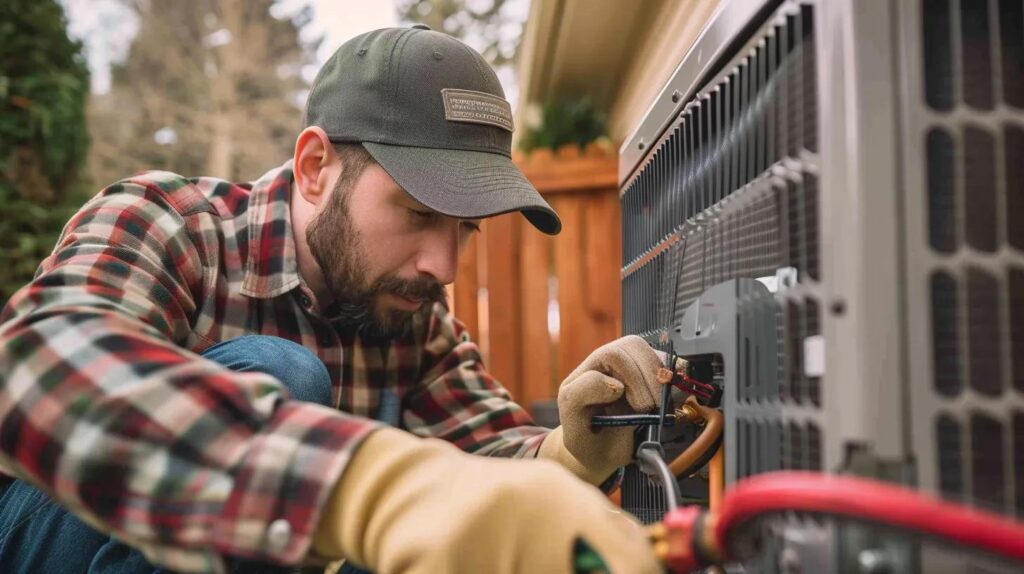
Heat pumps are versatile heating and cooling systems that transfer heat from one place to another, utilizing a refrigeration cycle. They work by extracting heat from the outside air or ground and transferring it indoors during winter, while in summer, they reverse the process to cool your home. This mechanism allows heat pumps to provide both heating and cooling, making them an efficient year-round solution for homeowners. Their ability to adapt to different seasons reduces the need for separate heating and cooling units, saving space and installation complexity.
The key benefits of heat pumps include their energy efficiency, as they can produce more heat energy than the electrical energy they consume, leading to lower utility bills. Additionally, heat pumps have a smaller carbon footprint compared to traditional heating systems, making them an environmentally friendly choice. Homeowners can also benefit from various incentives and rebates for installing energy-efficient systems, further enhancing their appeal. Moreover, heat pumps operate quietly and require less maintenance than combustion-based systems, adding to their convenience and cost-effectiveness over time.
Indeed, research consistently highlights the growing importance of heat pumps as a sustainable and efficient heating solution for modern homes. As technology advances, newer models offer improved performance even in colder climates, expanding their usability and appeal to a broader range of homeowners.
Heat Pumps: Economical & Energy-Efficient Residential Heating
With the growing need for economical and energy-efficient space heating solutions, heat pumps (HP) have emerged as a promising alternative for residential heating systems playing a crucial role in the global shift to a more sustainable heating technology.
Evaluating environmental impacts of domestic heat pumps: A review through life cycle assessment, M Aridi, 2024
How Does a Heat Pump Work to Heat and Cool Your Home?
Heat pumps operate on the principle of heat transfer, utilizing a refrigerant that circulates through a closed loop system. In heating mode, the pump absorbs heat from the outside air or ground and compresses it, raising its temperature before releasing it indoors. Conversely, in cooling mode, the process is reversed, allowing the heat pump to extract heat from the indoor air and release it outside. This dual functionality makes heat pumps a highly efficient option for maintaining comfortable indoor temperatures throughout the year. The technology behind heat pumps continues to evolve, with innovations such as variable-speed compressors and smart thermostats enhancing their adaptability and efficiency.
What Are the Key Energy Efficiency Benefits of Heat Pumps?
Heat pumps offer several energy efficiency benefits that can significantly reduce heating costs:
- High Efficiency Ratings: Heat pumps typically have a higher efficiency rating compared to traditional furnaces, often achieving a coefficient of performance (COP) of 3 or higher, meaning they can deliver three or more units of heat for every unit of electricity consumed. This efficiency translates into substantial energy savings over the lifespan of the system.
- Lower Operating Costs: By using electricity to transfer heat rather than generate it, heat pumps can lead to substantial savings on energy bills. This is particularly beneficial in regions where electricity rates are competitive or where renewable energy sources are available.
- Environmental Impact: Heat pumps produce fewer greenhouse gas emissions, contributing to a more sustainable energy future. Their use supports efforts to reduce reliance on fossil fuels and combat climate change.
These benefits make heat pumps an attractive option for homeowners looking to reduce their energy consumption and environmental impact. Additionally, the integration of smart home technology can optimize heat pump operation, further enhancing energy savings and user comfort.
What Types of Furnaces Are Available and How Efficient Are They?
Furnaces are traditional heating systems that generate heat through combustion or electric resistance. There are primarily two types of furnaces: gas and electric. Gas furnaces burn natural gas or propane to produce heat, while electric furnaces use electric coils to generate warmth. Each type has its own set of advantages and considerations, including fuel availability, cost, and environmental impact.
The efficiency of furnaces is measured by their Annual Fuel Utilization Efficiency (AFUE) rating, which indicates how much of the fuel consumed is converted into usable heat. High-efficiency furnaces can have AFUE ratings of 90% or higher, meaning they convert most of the fuel into heat, minimizing waste and reducing heating costs. Advances in furnace technology have led to models with condensing capabilities that capture additional heat from exhaust gases, further improving efficiency.
What Are the Differences Between Gas and Electric Furnaces?
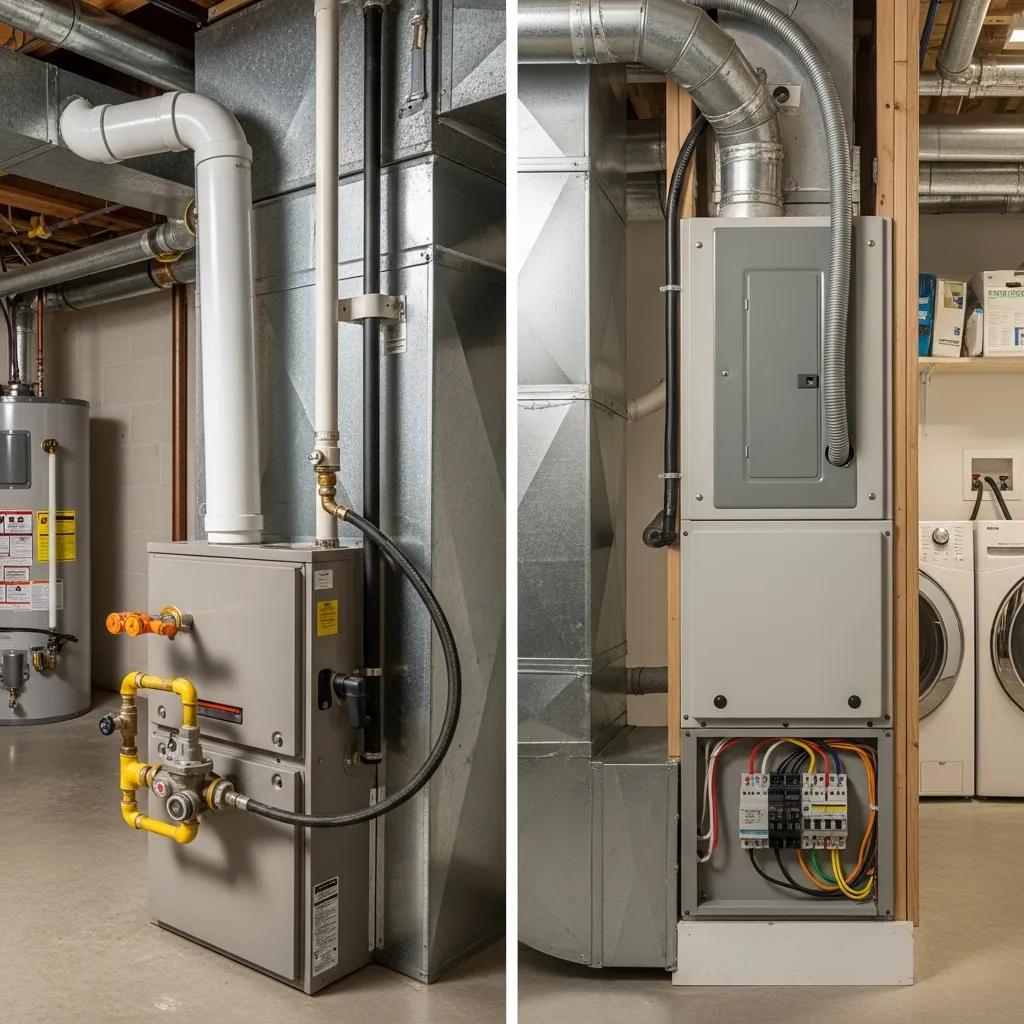
Gas and electric furnaces differ significantly in their operation and efficiency:
- Fuel Source: Gas furnaces rely on natural gas or propane, while electric furnaces use electricity. The choice between these fuels often depends on local availability and cost considerations.
- Installation Costs: Gas furnaces typically have higher installation costs due to the need for venting and gas lines, whereas electric furnaces are generally easier and cheaper to install. However, the infrastructure for gas may already be present in many homes, influencing the overall cost.
- Operating Costs: Gas furnaces often have lower operating costs compared to electric models, especially in areas where natural gas is inexpensive. Conversely, electric furnaces may be more cost-effective in regions with low electricity rates or where renewable electricity is used.
Understanding these differences can help homeowners choose the right furnace based on their specific needs and local energy prices. Additionally, safety considerations such as the risk of gas leaks and carbon monoxide exposure should be factored into the decision-making process.
How Do Furnace Efficiency Ratings Impact Home Heating Costs?
Furnace efficiency ratings directly impact heating costs. A higher AFUE rating indicates a more efficient furnace, which translates to lower energy bills. For example, a furnace with an AFUE of 95% will convert 95% of the fuel it consumes into heat, while a furnace with an AFUE of 80% will waste 20% of the fuel. Homeowners should consider investing in high-efficiency models to maximize savings over time, especially in colder climates where heating demands are higher. Moreover, high-efficiency furnaces often come with advanced features such as variable-speed blowers and modulating burners that enhance comfort and reduce energy consumption.
How Do Heat Pumps and Furnaces Compare in Installation and Operating Costs?
When comparing heat pumps and furnaces, installation and operating costs are critical factors to consider. These costs can vary widely depending on the system type, home size, and local market conditions. Understanding these financial aspects helps homeowners plan their budgets and evaluate the long-term value of each option.
| Heating System | Installation Cost | Operating Cost | Maintenance Cost |
|---|---|---|---|
| Heat Pump | Moderate to High | Low to Moderate | Moderate |
| Gas Furnace | Moderate to High | Moderate | Low to Moderate |
| Electric Furnace | Low | High | Low to Moderate |
Heat pumps generally have moderate to high installation costs, especially for ground-source (geothermal) models, while gas furnaces can be more expensive due to the need for additional infrastructure. Operating costs for heat pumps are typically lower, as they are more energy-efficient, but can vary depending on electricity rates. However, electric furnaces can lead to higher monthly bills, especially in regions with high electricity rates. Maintenance costs for heat pumps may be slightly higher due to the complexity of the system, but regular upkeep can prevent costly repairs and maintain efficiency.
How Do Maintenance Requirements Affect Long-Term Heating Expenses?
Maintenance is essential for both heat pumps and furnaces to ensure optimal performance and longevity. Regular maintenance can prevent costly repairs and extend the lifespan of the system. Neglecting maintenance can lead to decreased efficiency, higher energy consumption, and premature system failure, all of which increase long-term expenses.
- Heat Pumps: Require seasonal maintenance, including cleaning filters and checking refrigerant levels. Neglecting maintenance can lead to decreased efficiency and higher energy costs. Additionally, ensuring the outdoor unit is free from obstructions and debris is vital for proper operation.
- Furnaces: Should be serviced annually to check for gas leaks, clean burners, and inspect the heat exchanger. Regular maintenance can improve efficiency and reduce the risk of breakdowns. Proper maintenance also ensures safety by preventing carbon monoxide leaks and other hazards.
Investing in regular maintenance can lead to significant long-term savings by enhancing system efficiency and preventing unexpected repair costs. Homeowners should schedule professional inspections and perform routine upkeep to maximize their heating system’s lifespan and performance.
Can Solar Energy Integration Enhance Your Heating System’s Efficiency?
Integrating solar energy with heating systems can significantly enhance their efficiency and reduce reliance on traditional energy sources. Solar panels can be used to power heat pumps, providing a renewable energy source that can lower operating costs and carbon emissions. This integration supports sustainable living and can increase the overall value of a home.
How Do Heat Pumps Work with Solar Energy Solutions in Washington State Homes?
In Washington State, where sunlight is abundant, heat pumps can be effectively paired with solar energy systems. By using solar power to operate heat pumps, homeowners can reduce their electricity bills and minimize their environmental impact. This combination not only enhances energy efficiency but also allows homeowners to take advantage of state and federal incentives for renewable energy installations. Furthermore, solar-powered heat pumps can provide greater energy independence and resilience during power outages or peak demand periods.
Are There Local Incentives and Rebates for Solar-Powered Heating Systems in Renton, WA?
Homeowners in Renton, WA can benefit from various local incentives and rebates for installing solar-powered heating systems. Programs may include federal tax credits, state rebates, and local utility incentives for energy-efficient appliances and solar installations. These incentives can significantly offset the initial costs of integrating solar energy with heating systems, making it a more accessible option for homeowners. Staying informed about changing policies and available programs can help maximize these financial benefits.
What Maintenance Practices Extend the Lifespan of Heat Pumps and Furnaces?
Proper maintenance is crucial for extending the lifespan of both heat pumps and furnaces. Regular checks and servicing can prevent breakdowns and ensure efficient operation. Adopting a proactive maintenance routine can also improve indoor air quality and system reliability.
What Are Essential Maintenance Tips for Heat Pumps?
- Regular Filter Changes: Change or clean filters every 1-3 months to maintain airflow and efficiency. Dirty filters can strain the system and reduce heating and cooling effectiveness.
- Annual Professional Inspections: Schedule a professional inspection at least once a year to check refrigerant levels and overall system performance. Technicians can identify and address potential issues before they become costly problems.
- Clear Debris: Keep the outdoor unit clear of debris and vegetation to ensure proper airflow. This helps maintain optimal heat exchange and prevents damage to the unit.
How Can Regular Furnace Maintenance Improve Efficiency and Longevity?
- Annual Cleaning: Clean the burners and heat exchanger to prevent soot buildup and improve efficiency. This also reduces the risk of fire hazards and carbon monoxide leaks.
- Check Thermostat Settings: Ensure the thermostat is functioning correctly to maintain optimal temperatures. Proper calibration can prevent unnecessary energy use and improve comfort.
- Inspect Ductwork: Regularly check for leaks in ductwork to prevent heat loss and improve overall system efficiency. Sealing leaks can enhance airflow and reduce energy waste.
Which Heating System Is Best for Your Home in Renton, WA’s Climate?
Choosing the best heating system for your home depends on various factors, including climate, energy costs, and personal preferences. Evaluating these elements alongside system performance and environmental impact will help you select the most suitable option for your specific situation.
How Does Washington’s Climate Influence Heat Pump and Furnace Performance?
Washington’s mild climate makes heat pumps particularly effective, as they can efficiently provide both heating and cooling. In contrast, gas furnaces may be more suitable for areas with colder winters, where consistent heating is necessary. Homeowners should consider their local climate and energy prices when selecting a heating system. Additionally, the relatively moderate temperatures in Renton, WA allow heat pumps to operate at peak efficiency for most of the year, making them a cost-effective and environmentally friendly choice.
What Are the Environmental Impacts of Choosing a Heat Pump vs. a Furnace?
Heat pumps generally have a lower environmental impact compared to gas furnaces, as they produce fewer greenhouse gas emissions. By choosing a heat pump, homeowners can contribute to a more sustainable future while enjoying the benefits of an energy-efficient heating system. Additionally, integrating solar energy can further reduce the carbon footprint associated with heating. On the other hand, gas furnaces rely on fossil fuels, which contribute to air pollution and climate change. Making an informed choice can help reduce your household’s environmental impact and support broader sustainability goals.
Conclusion
Choosing between heat pumps and furnaces is essential for optimizing your home’s energy efficiency and comfort. Each system offers unique benefits, from the eco-friendliness of heat pumps to the reliability of gas furnaces, allowing homeowners to align their choice with personal and environmental values. By understanding the costs, maintenance needs, and performance in your local climate, you can make an informed decision that enhances your living space. Explore our resources to find the perfect heating solution for your home today.