



Improve Your Home’s Air Quality with HVAC Solutions: Expert Strategies for Cleaner, Healthier Living
At Furnace Doctors Inc., we understand that indoor air quality is essential for a healthy home, especially in Seattle, WA, where climate and urban factors can impact the air you breathe. We provide expert HVAC solutions designed to improve your home’s air quality, creating a cleaner and healthier living environment. Many homeowners are unaware of common indoor air issues that can affect comfort and health, such as respiratory irritation and allergies. By identifying these challenges and applying our tailored HVAC strategies, we help you enhance indoor air and overall well-being.
Our approach combines regular maintenance like filter changes and cleaning with strategic upgrades such as advanced filtration and air purification systems. We focus on practical measures compatible with typical residential HVAC systems and recommend professional installation or inspection when necessary to ensure optimal results.
Common Indoor Air Quality Problems Affecting Seattle, WA Homes
Seattle homes face unique air quality challenges due to the local climate and urban environment. Outdoor pollutants like pollen, wildfire smoke, and urban emissions can enter your home through open windows, gaps in seals, or poorly sealed ductwork. Indoor sources such as cooking fumes, candles, cleaning products, renovation dust, and moisture-related mold also contribute to poor air quality. These pollutants can cause respiratory irritation, worsen allergies, and trigger asthma symptoms, making it vital to address them promptly.
We recommend starting with a simple home survey to identify visible dust, lingering odors, seasonal allergy patterns, and signs of moisture like water stains or condensation. This helps us tailor HVAC solutions that effectively reduce pollutant exposure and improve your home’s air quality.
How Pollutants and Allergens Affect Your Health and Comfort
Indoor allergens such as pet dander, dust mites, and mold spores can provoke allergic reactions and respiratory issues, especially for vulnerable individuals like children, seniors, and those with preexisting conditions. Symptoms range from mild irritation to severe asthma attacks. Recognizing these sources allows us to implement targeted HVAC solutions that improve comfort and health.
Short-term effects include itchy eyes, nasal congestion, throat irritation, and headaches. Long-term exposure can increase susceptibility to infections and worsen chronic respiratory conditions. Our strategies include enhancing filtration, controlling humidity, reducing indoor pollutant sources by using exhaust fans during cooking, and deploying targeted air purifiers in high-use areas.
Seattle, WA Climate’s Role in Indoor Air Quality Challenges
The mild, damp winters and warm summers in Seattle, WA, create conditions that can worsen indoor air quality. High humidity encourages mold growth and allergens, while seasonal pollen peaks add to indoor pollutant levels. Understanding these factors helps us recommend HVAC solutions focused on moisture control, filtration, and ventilation to maintain a healthier home environment.
We advise using dehumidifiers or your HVAC system’s humidity controls to keep indoor moisture within recommended levels. Proper attic and crawlspace ventilation reduces trapped moisture, and sealing entry points prevents outdoor particulates from entering. During wildfire smoke events, we suggest reducing outdoor air intake and using high-efficiency filters or portable HEPA units to lower indoor smoke levels. On cleaner days, increasing ventilation helps dilute indoor pollutants.
Enhancing Home Air Filtration and Purification with HVAC Air Filters
HVAC air filters are a key component in reducing airborne particles indoors. Filters come in various types—fiberglass, pleated, electrostatic, and HEPA—each with different efficiencies measured by MERV ratings. Regular inspection and timely replacement of filters are crucial to maintaining system effectiveness and indoor air quality.
When upgrading filters, we recommend consulting your HVAC manufacturer’s guidelines and our technicians to ensure compatibility. Higher-efficiency filters capture smaller particles but may restrict airflow if your system isn’t designed for them. Typically, a MERV 8–13 pleated filter offers a good balance of filtration and airflow for many homes, while HEPA filters often require standalone units or specialized equipment to avoid system strain.
Most Effective HVAC Air Filters for Removing Contaminants
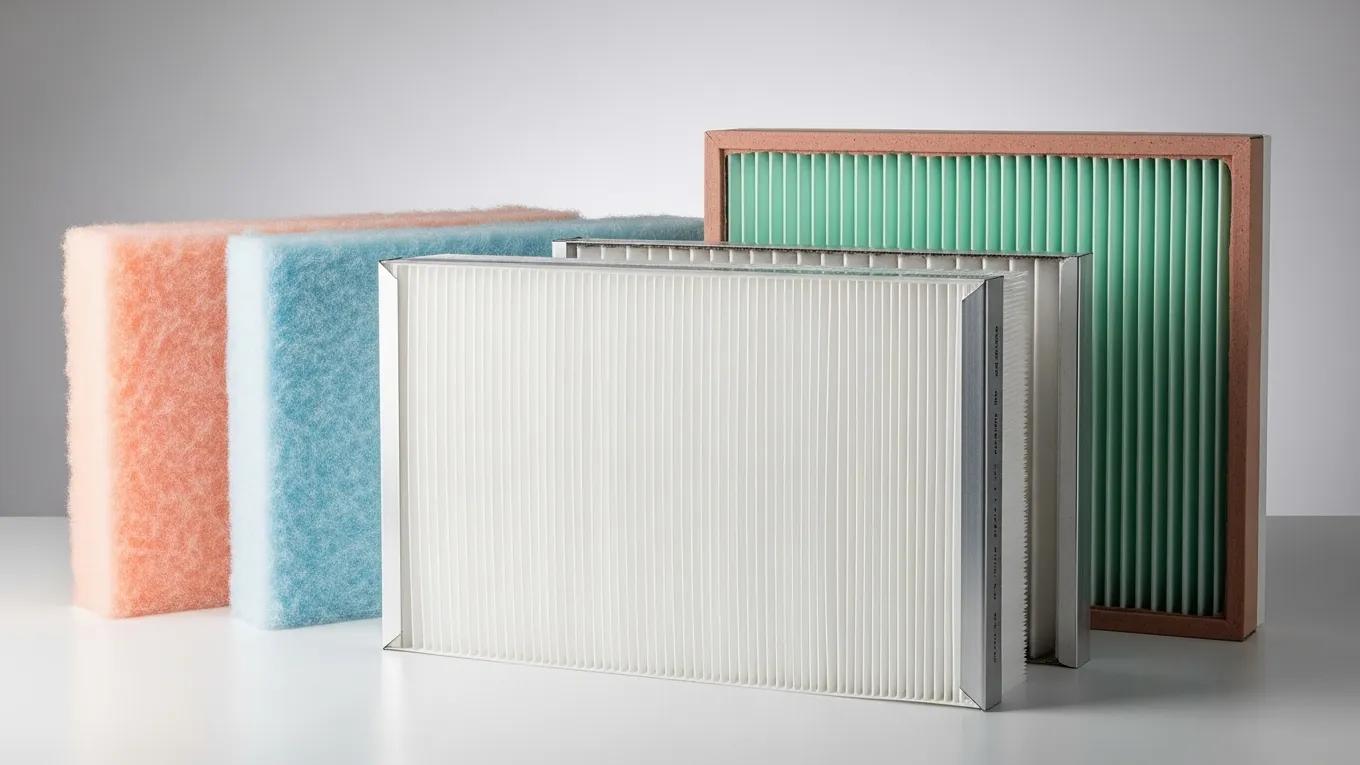
We offer guidance on selecting the right filter type for your home’s needs. Here are common options and their typical MERV ranges:
- Fiberglass Filters: MERV 1-4. These are suitable for capturing larger particles but less effective against smaller allergens. They are a basic option for homes with minimal air quality concerns.
- Pleated Filters: MERV 5-12. These filters capture dust and pollen more effectively and are a popular choice for many homeowners seeking improved air quality.
- Electrostatic Filters: MERV 6-10. Using static electricity, these filters attract particles and offer a good balance between efficiency and cost.
- HEPA Filters: MERV 17-20. Highly effective at capturing 99.97% of particles, including fine dust and allergens, HEPA filters are ideal for those with severe sensitivities but often require separate units.
Choosing the right filter ensures maximum air quality benefits while maintaining system performance.
Recommended HVAC Air Filter Replacement Frequency
To keep your HVAC system performing optimally, we advise replacing air filters every one to three months. The exact frequency depends on factors like household activity, presence of pets, local outdoor air quality, and system usage. Homes with pets or higher dust levels typically need more frequent changes.
We suggest marking the installation date on the filter frame or setting calendar reminders. Visually inspect filters monthly and replace them immediately if they appear dark or clogged. During wildfire smoke events or heavy pollen seasons, check filters more often. For washable or reusable filters, follow manufacturer cleaning instructions to maintain effectiveness.
Benefits of Advanced Air Purification Systems for Your Home
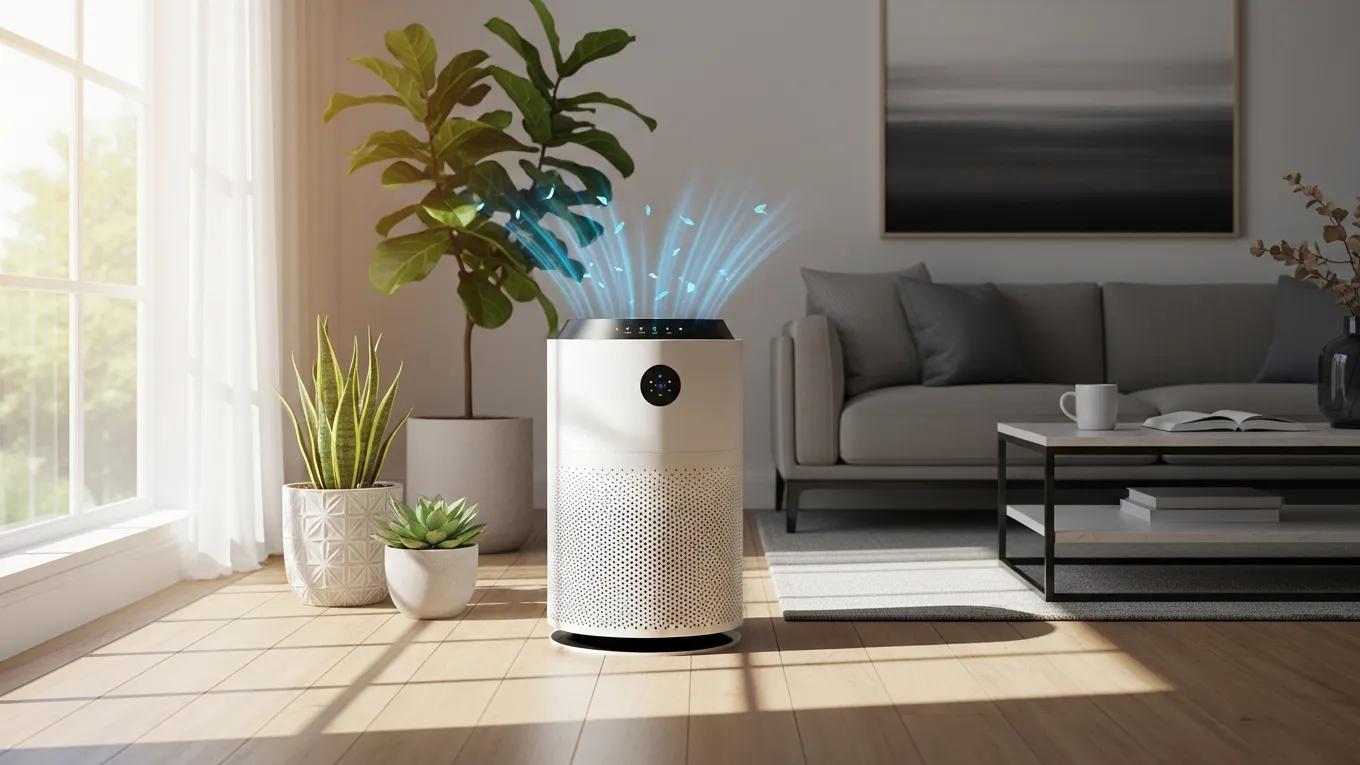
At Furnace Doctors Inc., we offer advanced air purification systems that target airborne irritants and pollutants, reducing respiratory strain and promoting better health. Systems featuring HEPA filtration and multi-stage purification effectively remove dust, pollen, smoke particles, and other contaminants. These systems also support balanced airflow and can improve HVAC efficiency, making them a valuable investment for homeowners seeking cleaner indoor air.
Some whole-home systems include activated carbon filters to eliminate odors and volatile organic compounds (VOCs), as well as UV germicidal lights to inhibit microbial growth on coils and ducts. Portable air purifiers with HEPA and carbon stages provide flexible options for treating bedrooms or living areas without modifying your central system. When selecting a purifier, consider room size, clean air delivery rate (CADR), and maintenance requirements such as filter replacement.
How Air Purification Technologies Reduce Allergens and Pollutants
Our air purification technologies use various methods to capture and neutralize contaminants. HEPA filters trap particles as small as 0.3 microns, effectively removing dust, pollen, and pet dander. Multi-stage systems combine filtration techniques to address a wider range of pollutants, delivering cleaner air throughout your home. Regular maintenance is essential to keep these systems operating at peak performance.
For microbial control, UV germicidal lights reduce bacterial and fungal growth on system components but complement rather than replace filtration and moisture control. Activated carbon filters capture odors and gaseous compounds that particle filters cannot. Combining effective filtration with source control, such as choosing low-VOC materials during renovations, yields the best indoor air quality results.
Air Purification Systems Best Suited for Seattle, WA Homes
We recommend air purification systems that address the most common pollutants in Seattle, WA. These include:
- HEPA Filters: Excellent for removing pollen and smoke particles, ideal for Seattle’s climate.
- MERV 8-13 Filters: Offer a good balance of filtration efficiency and cost for most residential applications.
- Activated Carbon Filters: Effective at eliminating odors and VOCs, enhancing overall air quality.
Choosing the right system can significantly improve your home’s indoor air quality and support a healthier living environment.
Energy-Efficient HVAC Solutions to Improve Air Quality and Reduce Costs
We provide energy-efficient HVAC options that enhance indoor air quality while lowering your energy bills. Technologies such as ductless air conditioning systems, smart thermostats, and high-efficiency filters improve air quality and reduce energy consumption when properly installed and maintained. Investing in these solutions delivers cleaner air and long-term savings.
Additional improvements include sealing and insulating ductwork, adding zoning controls to avoid conditioning unused spaces, and ensuring proper system sizing during upgrades. Efficient systems run less frequently, reducing the intake of unfiltered air and helping filters perform consistently.
Energy Savings from Upgrading HVAC Systems
Upgrading to energy-efficient HVAC equipment can lead to significant savings. Homeowners often see noticeable reductions in heating and cooling costs with modern systems like ductless mini-splits and heat pumps. These upgrades not only save energy but also contribute to longer equipment lifespan and fewer emergency repairs.
We encourage considering lifecycle costs rather than just upfront prices. Our team provides expected efficiency ratings, maintenance schedules, and filtration recommendations to help you maintain both air quality and system performance.
Role of Energy-Efficient HVAC Air Filters in System Performance
Energy-efficient filters balance particle capture with minimal airflow restriction, supporting system performance and reducing energy use. Common filter types include fiberglass, pleated, electrostatic, and HEPA, each offering different efficiencies. Regular replacement and maintenance are key to preserving system efficiency and indoor air quality.
We advise consulting with our technicians about your system’s static pressure limits and suitable filter classes. Sometimes, incremental upgrades, such as moving from MERV 4 to MERV 8, provide significant air quality improvements with minimal energy impact.
Financing Options to Support Your HVAC Air Quality Improvements
At Furnace Doctors Inc., we offer flexible financing solutions to help you invest in HVAC upgrades and air quality improvements without immediate financial strain. Our financing options include competitive interest rates and a range of funding amounts tailored to your project size. This flexibility allows you to make informed decisions that fit your budget and long-term savings goals.
Before applying, we recommend preparing documentation such as recent pay stubs, utility bills, and project estimates. Understanding your monthly budget and comparing financing offers helps you select terms that align with your financial situation and energy efficiency objectives.
How Flexible HVAC Financing Makes Air Quality Upgrades Affordable
Our financing plans enable you to spread upgrade costs into manageable monthly payments, making high-efficiency equipment and filtration accessible. This approach preserves your household cash flow while delivering long-term savings through reduced energy consumption and improved system reliability.
Financing is especially beneficial for comprehensive projects combining equipment replacement, duct sealing, and filtration improvements. We encourage you to inquire about promotional terms, payment schedules, and prepayment options to choose the best plan for your needs.
Steps to Apply for HVAC Financing with Furnace Doctors Inc.
- Submit Application: Complete our simple online application form.
- Review Offers: Receive and evaluate financing options tailored to your application.
- Select Offer: Choose the plan that best fits your needs and budget.
- Finalize Application: Complete the necessary paperwork to secure your financing.
Eligibility is generally based on creditworthiness, making our financing accessible to many homeowners seeking HVAC improvements.
Scheduling Professional HVAC Services to Maintain Optimal Air Quality
Regular professional HVAC service is vital to maintaining indoor air quality. We recommend annual inspections for most systems and biannual checks for older equipment. Our routine maintenance includes thorough system inspections and timely filter replacements to ensure efficient and reliable operation.
When scheduling service with Furnace Doctors Inc., please share any symptoms you’ve noticed, such as unusual odors, uneven heating or cooling, or increased allergy symptoms. Providing recent filter replacement history helps our technicians focus on the most relevant issues. For persistent problems like humidity, venting, or dust, we offer targeted assessments including duct inspections and airflow measurements.
What to Expect During a Professional HVAC Air Quality Assessment
Our comprehensive HVAC air quality assessments include inspecting system components and measuring indoor airflow, humidity, and contaminant levels. Based on these findings, we recommend repairs, filter upgrades, or system enhancements to improve your home’s air quality.
We provide a clear checklist of recommended actions, estimated costs, and prioritized steps tailored to your budget. Our team explains the benefits and maintenance requirements of each recommendation, helping you make informed decisions.
Recommended Maintenance and Filter Replacement Schedule
To keep your HVAC system running efficiently, schedule routine maintenance at least once a year, with biannual checks for older units. Replace filters every one to three months depending on your household activity and local air quality conditions.
If you have pets, someone who smokes outside but brings in smoke on clothing, or live near busy roads or seasonal smoke sources, plan for more frequent filter inspections and replacements. Keeping a maintenance log with service dates and filter changes simplifies future planning.
What Our Customers Say About Furnace Doctors Inc.’s HVAC Air Quality Solutions
Our customers consistently report positive experiences with Furnace Doctors Inc.’s air quality services. They appreciate our commitment to quality and the noticeable improvements in home comfort after our interventions. By effectively addressing indoor air quality concerns, we help homeowners achieve healthier living environments.
Common feedback includes clearer airflow after duct servicing, reduced dust accumulation with improved filtration, and better sleep quality when bedroom air is treated. These practical results reflect the technical benefits of proper filtration, ventilation, and maintenance.
Immediate Steps to Breathe Cleaner Air at Home
If you want to improve your indoor air quality right away, consider these actions:
- Change Air Filters: Regularly replacing HVAC air filters ensures your system operates efficiently and captures pollutants effectively. This simple step can quickly enhance the air you breathe.
- Use Air Purifiers: Portable air purifiers target specific areas in your home, such as bedrooms or living rooms, providing additional filtration where you need it most. Investing in these devices complements your HVAC system.
- Ventilate: When weather permits, open windows to allow fresh air circulation. Proper ventilation helps dilute indoor pollutants and refreshes your home’s air.
Additional quick tips include running bathroom and kitchen exhaust fans during and after moisture-generating activities, using vacuums with HEPA filters on carpets and upholstery, and laundering bedding regularly to reduce dust mite exposure. These small changes, combined with routine HVAC maintenance, can significantly improve your indoor air quality.
Simple Actions to Improve Indoor Air Quality Today
Improving indoor air quality is achievable through everyday habits:
- Regular Cleaning: Frequent dusting and vacuuming reduce allergens and dust accumulation. Maintaining a clean environment supports your HVAC system’s effectiveness.
- Control Humidity: Using dehumidifiers helps maintain optimal indoor humidity levels, preventing mold growth and related allergens. Proper moisture control is key to healthy air.
- Avoid Smoking Indoors: Keeping tobacco smoke outside prevents harmful pollutants from entering your home, protecting your family’s respiratory health.
Room-by-room tips include placing portable HEPA purifiers in bedrooms for overnight protection, using exhaust fans in bathrooms and kitchens to remove moisture and particulates at the source, and adopting a no-shoe policy indoors to reduce tracked-in dust and pollen. Over time, these habits lessen the burden on your HVAC filtration and keep indoor air fresher.
Contact Furnace Doctors Inc. to Begin Your Air Quality Upgrade
Ready to improve your home’s air quality? Contact Furnace Doctors Inc. to discuss your specific concerns and explore HVAC options tailored to your needs. Our team is available to provide expert advice and guide you through the next steps.
When reaching out, please have recent maintenance records and information about your HVAC system’s model and age handy. This helps us offer accurate guidance and conduct an efficient initial assessment. We proudly serve the Seattle, WA area and surrounding communities.